
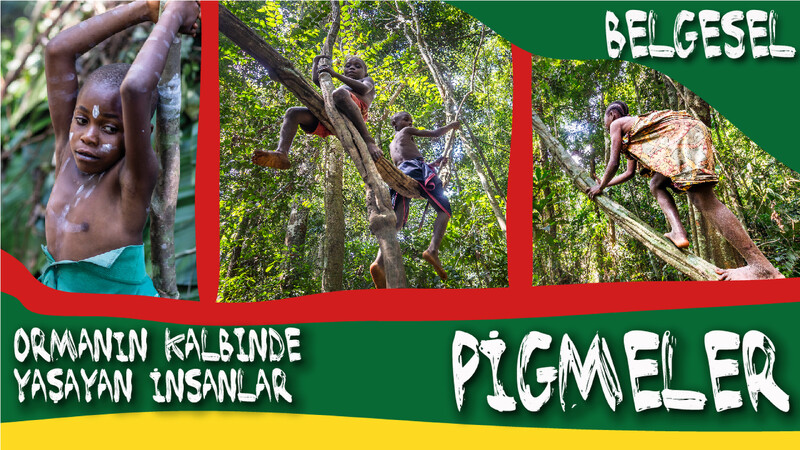
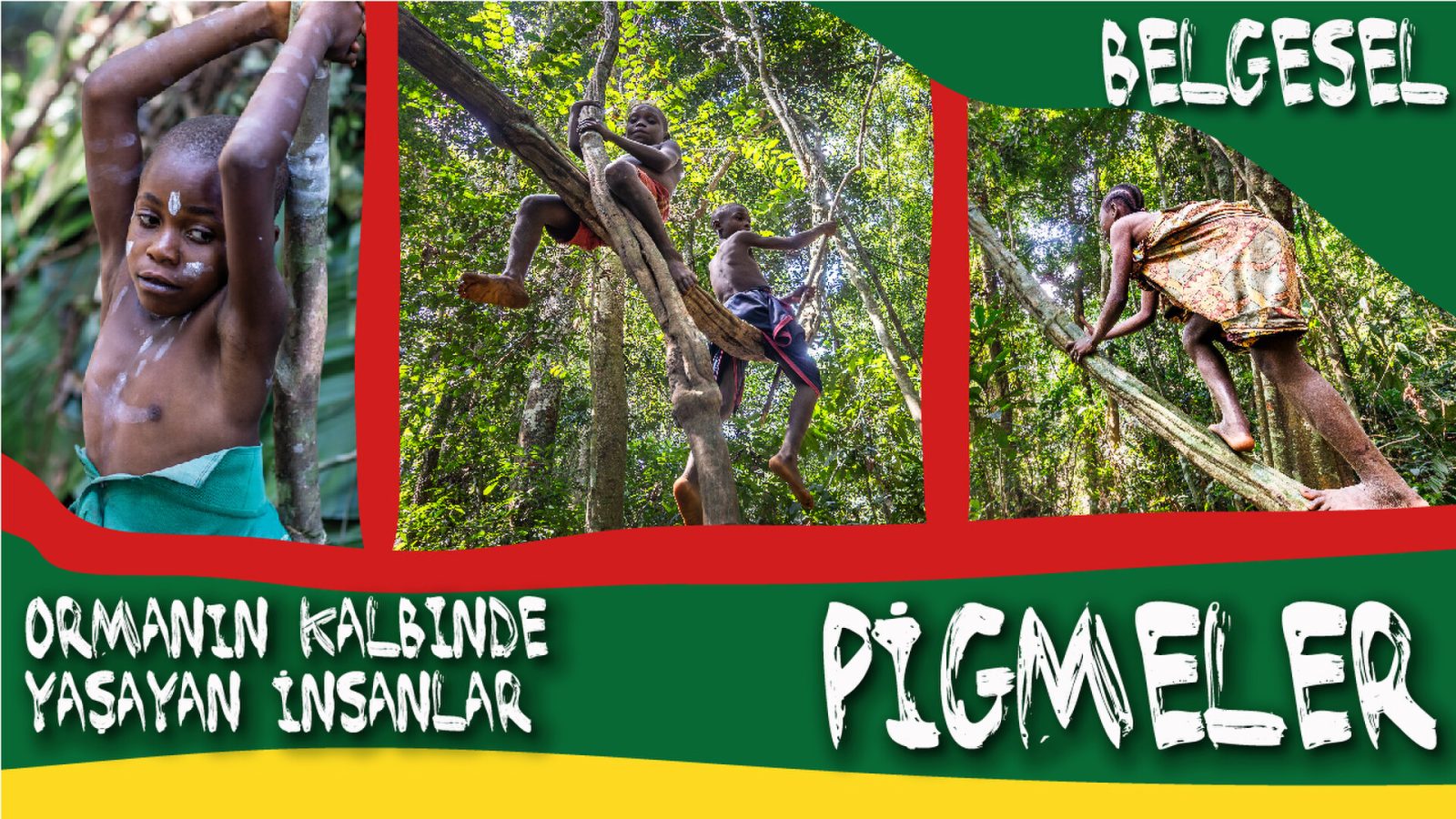
 Pygmies / People Living in the Heart of the Forest
Pygmies / People Living in the Heart of the Forest
Original title: Pigmeler / Ormanın Kalbinde Yaşayan İnsanlar
The Pygmies: A Mirror to Humanity In the deep forests of Cameroon and Gabon, there exists a community emerging from the depths of history.
Only you can see this page · Submitted
Synopsis
The Pygmies: A Mirror to Humanity
In the deep forests of Cameroon and Gabon, there exists a community emerging from the depths of history.
THE PYGMIES
While witnessing the lives of the Pygmy (Baka) people, this documentary also questions our own story.
Pygmies at the Heart of the Forest | Hunter-Gatherer Life, Nature, Animism, and the Modern World
In the dense rainforests of Central and West Africa, a community has lived in harmony with nature for thousands of years…
In this documentary, we witness firsthand the daily lives, belief systems, and the struggle against the pressures of the modern world of the Pygmy communities (specifically the Baka Pygmies) living in the forests of Cameroon and Gabon.
At the end of 2024, during a journey to the deep forests of Cameroon and Gabon with the "Dünya Değişmeden" team under the guidance of Tulga Ozan, we observed the hunter-gatherer lifestyle, the "forest pharmacy" established through medicinal plants, animist beliefs, rituals centered around the spirit of Jengi, and their culture of sharing.
For the Pygmies, the forest is not just a living space; it is a source of food, a sacred sanctuary, a memory, and a spiritual entity. Hunting is a ritual, music and dance are methods of healing, and nature is not man's servant, but his equal...
However, this ancient way of life is now threatened with extinction under the pressure of deforestation, mining, palm oil plantations, and global capital. Pygmy communities, whose land rights are not recognized, face assimilation, discrimination, and violence.
This documentary does not only tell the story of the Pygmies; it also holds a mirror to our own relationship with the modern world.
With the agricultural revolution, the era of hunter-gatherers ended, and the Neolithic Age began. Starting from Mesopotamia, the hunter-gatherer lifestyle gave way to a settled way of life across the globe (9,500 – 12,500 BC).
Because this transformation—which shaped today’s sociology 10 to 15 thousand years ago—has still not occurred among the Pygmies, their pure bond with nature offers us a profound opportunity to reflect on the distorted evolution of human sociology after the transition to settled life.
Ever since humans domesticated wheat and believed they had conquered nature, we have been at war with the environment. The Pygmies, however, remain in harmony with nature, leading a communal life with all beings, living and non-living.
In West and Central Africa, traces of the French—and historically the British, Portuguese, Belgians, and Germans—remain. Although they seemingly gained legal independence in the 1960s, exploitation continues at the same pace; only its form has changed. The gold, diamond, uranium, and oil resources in Cameroon and Gabon continue to be exploited by foreign firms. The largest of these are the French companies Total and Areva. Similarly, US companies like Chevron and ExxonMobil are established in the region for oil, natural gas, and rare earth elements. But especially in the last 20 years, China has emerged as a presence you will see wherever you go in Africa.
We explored the richness of Pygmy culture, the hardships they endure, and the struggle they put up. I hope this story awakens in us a desire to rethink our bond with nature and reminds us of the value of sharing and solidarity.
Yes, we transitioned to settled life, and with our current means, our average life expectancy and comfort have increased significantly. We have developed so many "tools" that we thought would make us happy, that we now spend our lives trying to access them—and eventually serving these very tools. Yet, the Pygmies we studied today do not have to work for others to sustain their lives. They hunt only as much as they need!
When we realize that we are not the owners of nature, but merely a part of it, we will understand that a limitless and classless life is possible—not in spite of nature, but together with it.
We settled down, developed technology, extended our lifespans… But are we truly happier?
???? Is it possible to live with nature without fighting it? ???? Does happiness lie in possession or in sharing? ???? Who is truly freer: The Pygmies or us?
The answer… perhaps, is hidden in the faces of the children.
Full credits
Directed by

Written by
Cast
Produced by
Photos
Festival history
| Year | Section | Result |
|---|---|---|
| 2027 | Indigenous | Applied |